Asia Society Hong Kong Center (Former Explosives Magazine and Block GG of the Old Victoria Barracks)
Asia Society Hong Kong Center occupies the Former Explosives Magazine (comprising three buildings, Former Magazine A, Former Magazine B and Old Laboratory) and Block GG of the Old Victoria Barracks, which were built between around mid-19th century and early 20th century. The compound was used for storage of explosives and ammunition, with Block GG also used as an outpost station of the explosives depot. After the British army moved out of the Victoria Barracks in 1979, the Former Explosives Magazine was once used as the Government’s storehouses and workshops, and Block GG was once used by the former Geotechnical Control Office. The compound was left vacant since the 1980s until the Asia Society rented and revitalised the site in 2002. The Center opened in 2012 with arts, performance and conference facilities to provide a broad range of activities and facilitate cross-cultural exchange. The site was a filming location of the movie “Still Human” (2018).
Historic Building Information(Former Explosives Magazine)Historic Building Information(Block GG) Explore Asia Society Hong Kong CenterVideo: “Virtual Tour Of Our Heritage Site”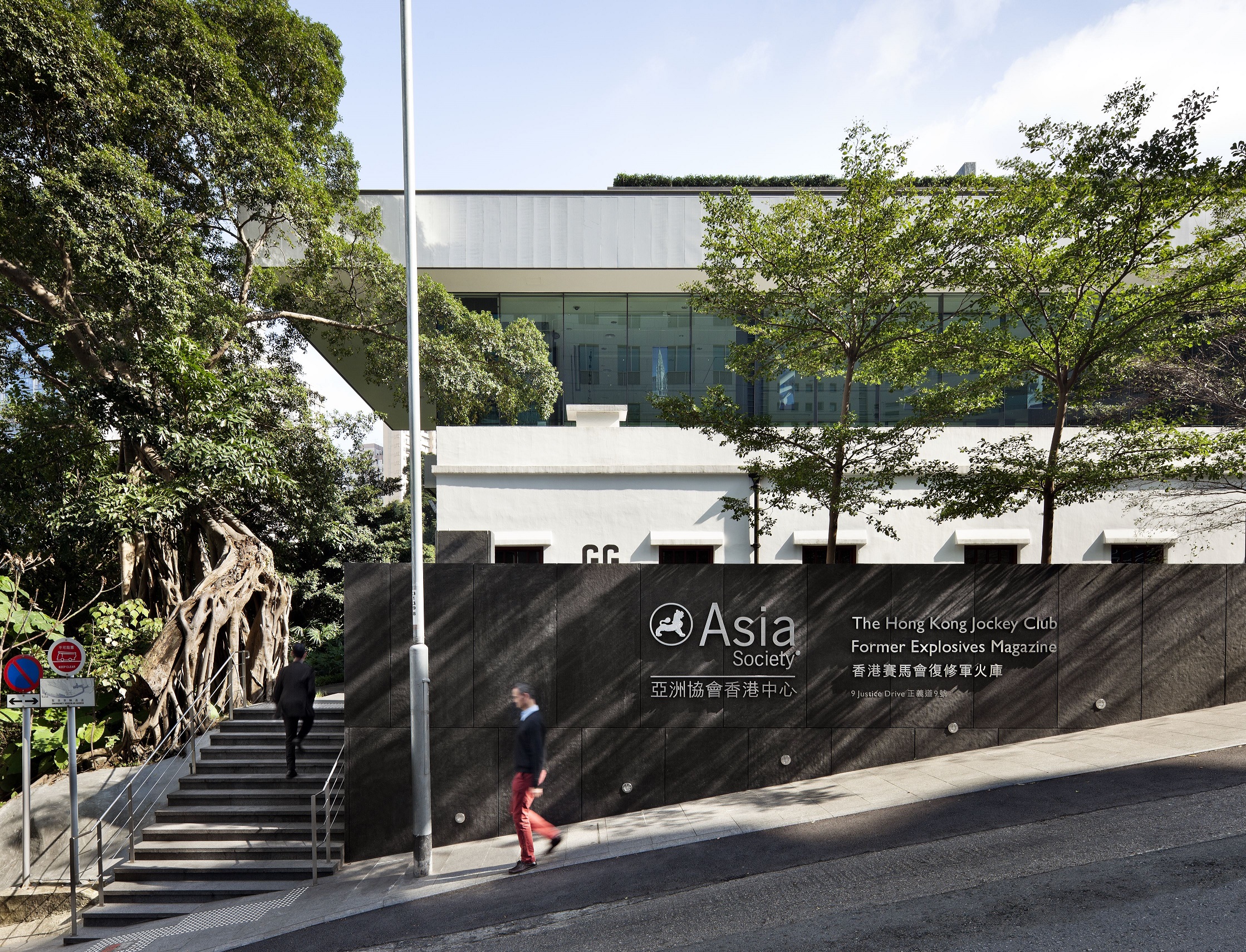
Bridges Street Centre, Chinese YMCA of Hong Kong (Chinese YMCA of Hong Kong)
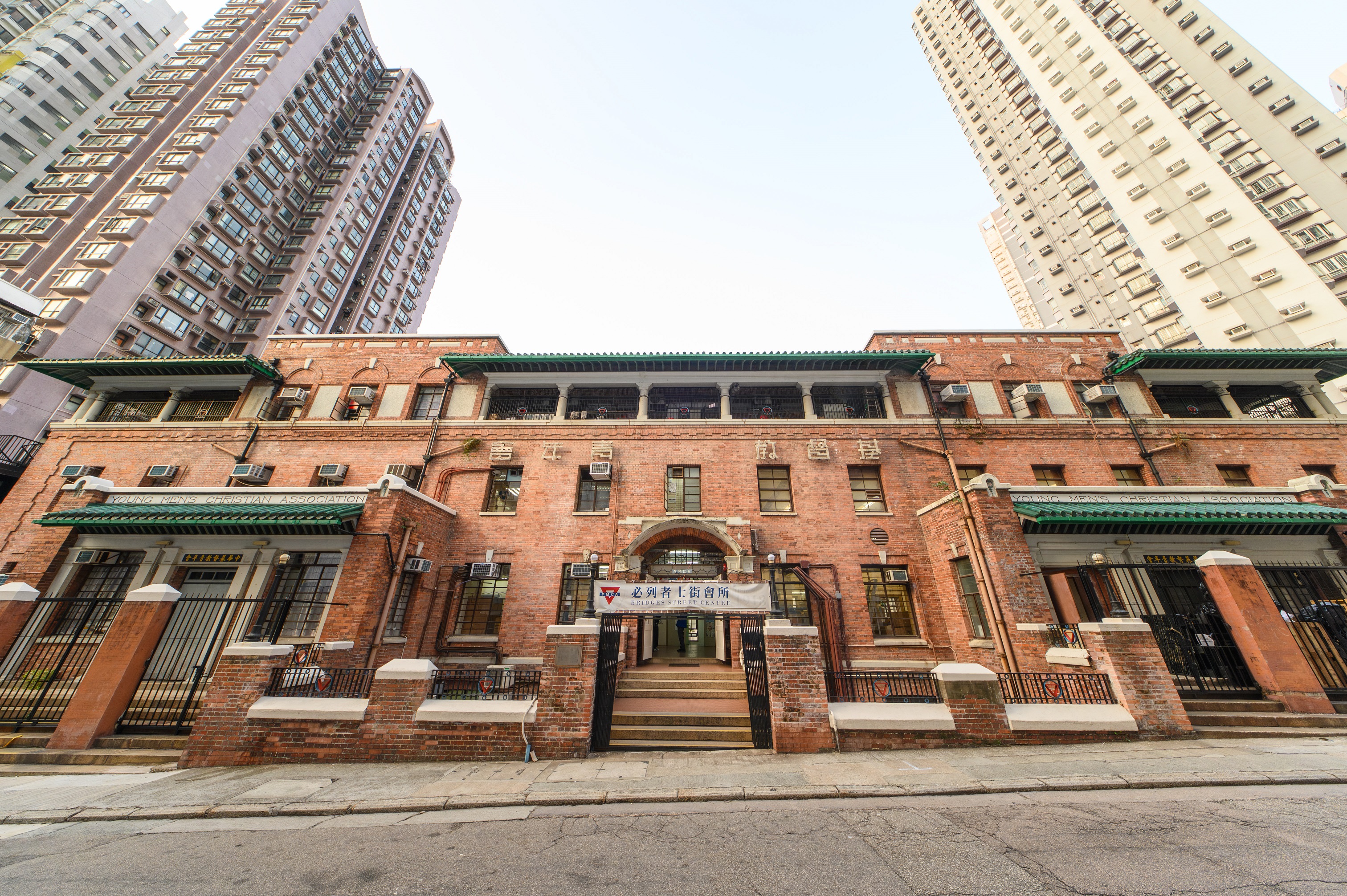
The building of the Chinese YMCA of Hong Kong, located on Bridges Street, Sheung Wan, was built in 1918. It was the first headquarters building of the organisation and was the first multi-functional building equipped with modern facilities dedicated to the Chinese community at the time. Two lectures were delivered in the building by the famous Chinese writer Lu Xun in 1927. During the Battle of Hong Kong in 1941, the headquarters of Hong Kong’s Air Raid Precaution (Section A of the Mid-Levels) was set up in the building. During the Japanese Occupation, the building was requisitioned by the Japanese Education Department to offer Japanese and German courses. After the headquarters of the Chinese YMCA of Hong Kong was relocated to Waterloo Road, Kowloon in 1966, the site was renamed the “Bridges Street Centre” which has continued to provide various social services. Some original facilities of the building are still preserved, including Hong Kong’s first indoor swimming pool with provision of warm water and the first elevated wok-shaped timber running track supported by a cantilever structure. Numerous movies have been filmed at the site, including “Running on Karma” (2003).
Monument InformationExplore History and Stories of Bridges Street Centre Video: “Historical Transformation of Bridges Street Centre” (Chinese only)Hong Kong Adventist College
Administration Building; Academy Building; Student Dormitory; One-Unit Staff Quarters; Five-Unit Staff Quarters
Hong Kong Adventist College originates from Sam Yuk School which was established in Guangzhou by the Seventh-Day Adventists Church in the early 20th century. It was later merged with another school to form Sam Yuk Middle School. In the 1930s, the school developed substantially in the Mainland and expanded its operations in Guangdong, Guangxi and Fujian. In 1937, the school moved to Hong Kong due to war, where it was accommodated in a temporary campus in Sha Tin, and was named South China Training Institute. Later, in 1939, a permanent school premises was constructed on the current site in Clear Water Bay. During the Second World War, the school moved back to the Mainland, and then returned to Hong Kong in 1947 to resume classes. In the early 1950s, it resumed its previous name of Sam Yuk Middle School and was later renamed Hong Kong Adventist College in 1981, providing tertiary education. Five historic buildings designed during the early year by Chu Yue-tat, the elder of the Church, are still preserved on the current campus. The campus has been a filming location for many movies, including “Last Romance” (1988).
Historic Building InformationSpot information of Greater Bay Area Education Heritage Trail (Hong Kong Section)Explore Hong Kong Adventist College Attraction Highlights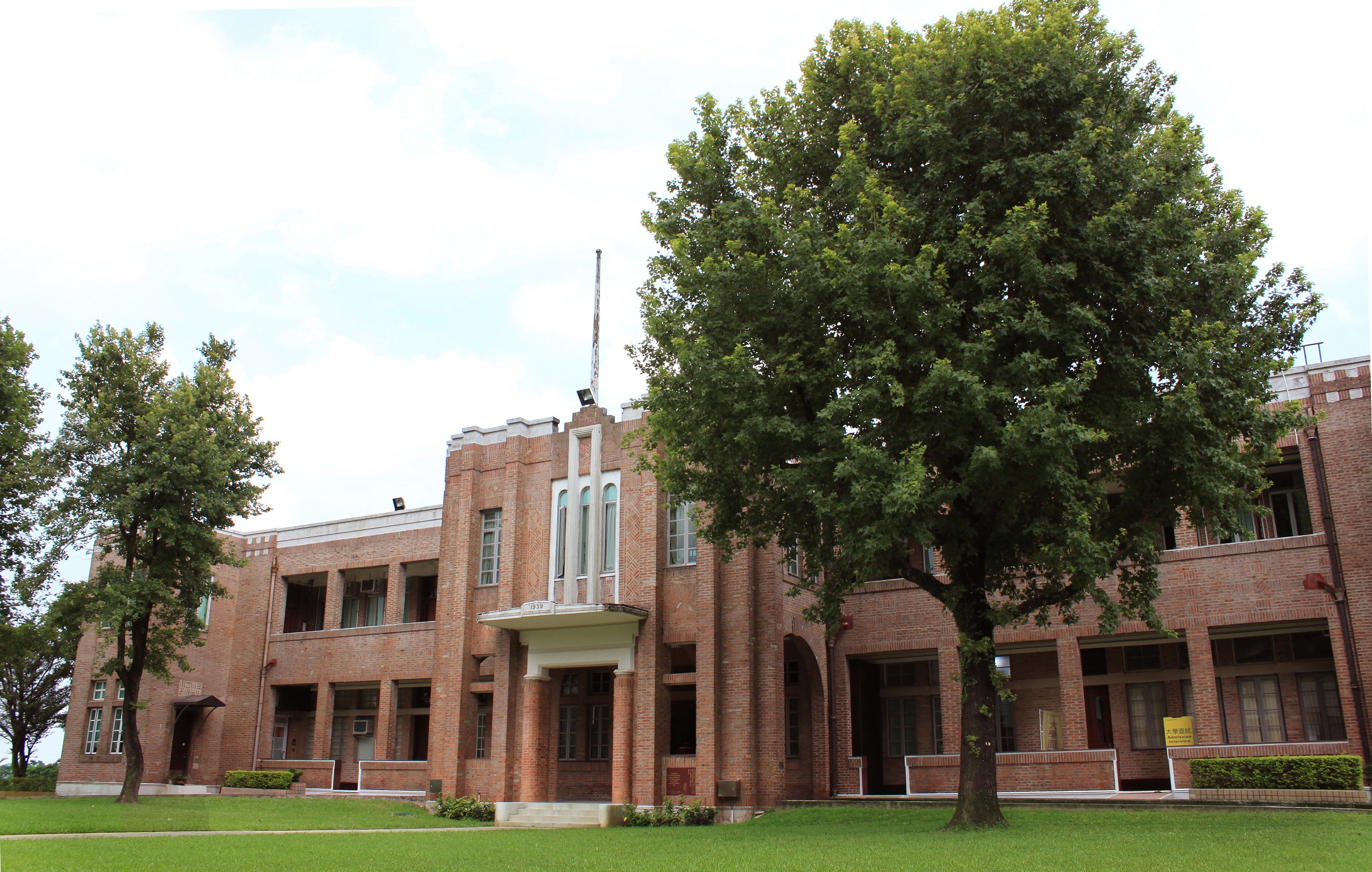
Luen Wo Market – House of Urban and Rural Living (Luen Wo Market)
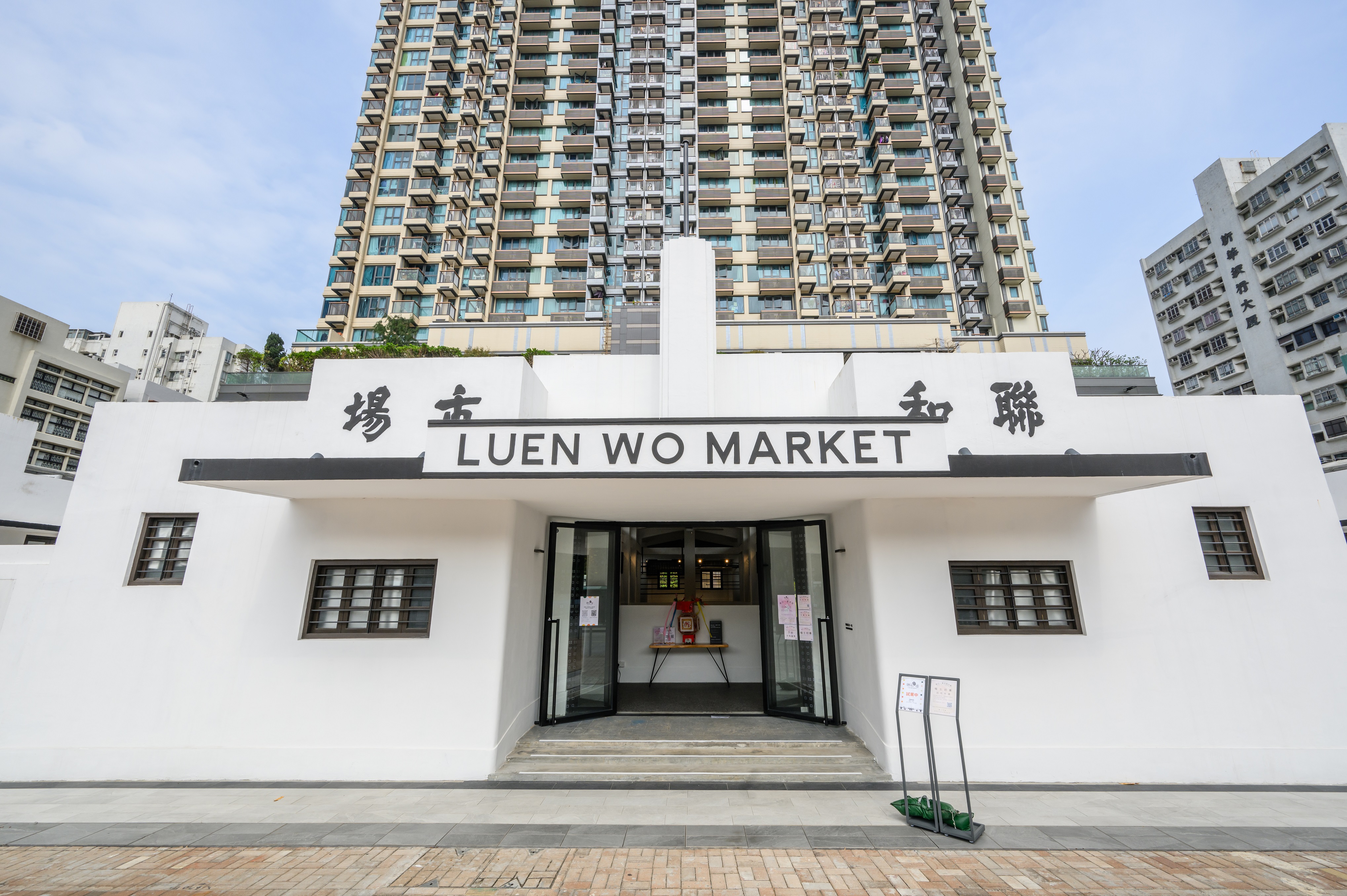
Luen Wo Market, built in 1951, was the largest market in the New Territories at the time, providing daily necessities, such as fresh vegetables and fish. It operated for about 50 years. Following its closure in 2002, all the stalls were relocated to Luen Wo Hui Market and Cooked Food Centre. The Market, revitalised into the “Luen Wo Market – House of Urban and Rural Living” under “Revitalising Historic Buildings Through Partnership Scheme” of the Development Bureau, commenced operations in 2024. It aims to introduce the market culture in the New Territories, the history of North District and the rural areas nearby as well as to promote local agricultural products, showcasing and continuing the original function of the market. The movie “Hooked on You” (2007) was filmed at the Market.
Historic Building InformationExplore Luen Wo Market – House of Urban and Rural Living Video 1:【My Blog】Revitalising Historic Buildings - Continuously Promoting "Tourism is Everywhere" (Chinese only)Video 2: Public Lecture: “Luen Wo Market: History and Development” (Chinese only)St. Stephen’s College
St. Stephen’s College was established by the Reverend Bishop Banister of the Anglican Church and a number of prominent Chinese, including Sir Ho Kai and Dr. Tso Seen-wan. The College first opened on Western Street in 1903 and then relocated to the present site in Stanley in 1930. In the Battle of Hong Kong, the School House of the College was requisitioned by the British Army and was converted into an emergency military hospital. At the dawn of 25 December 1941, Japanese troops occupied the College, broke into the School House and committed the “St. Stephen’s College Massacre”. During the Japanese Occupation, St. Stephen’s College, along with the nearby Stanley Prison Warders’ Quarters, were used as Stanley Internment Camp. The College re-opened in 1947. The campus now consists of 11 historic buildings, with the School House, a declared monument, being the first building inaugurated in the College in 1930 and the oldest boarding school building in Hong Kong. The movies “Echoes of the Rainbow” (2010) and “The Lyricist Wannabe” (2023) were filmed at the College.
Monument and Historic Building InformationSpot information of Greater Bay Area Education Heritage Trail (Hong Kong Section)St Stephen's College Heritage TrailVideo :【My Blog】”When Heritage Meets Movie” - Encouraging Public to Visit Historic Buildings (Chinese only)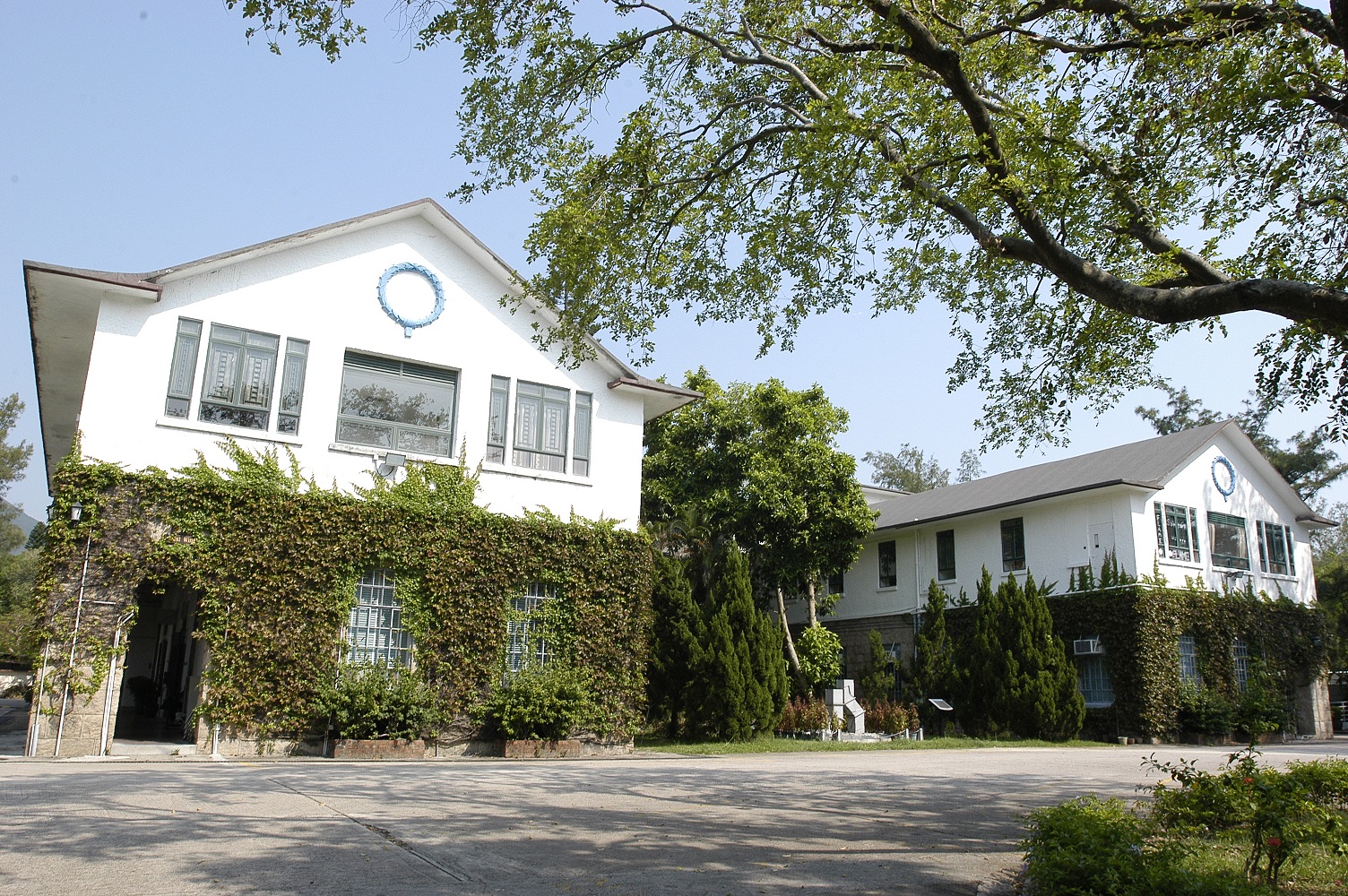
The Hong Kong Federation of Youth Groups Leadership Institute (Former Fanling Magistracy)
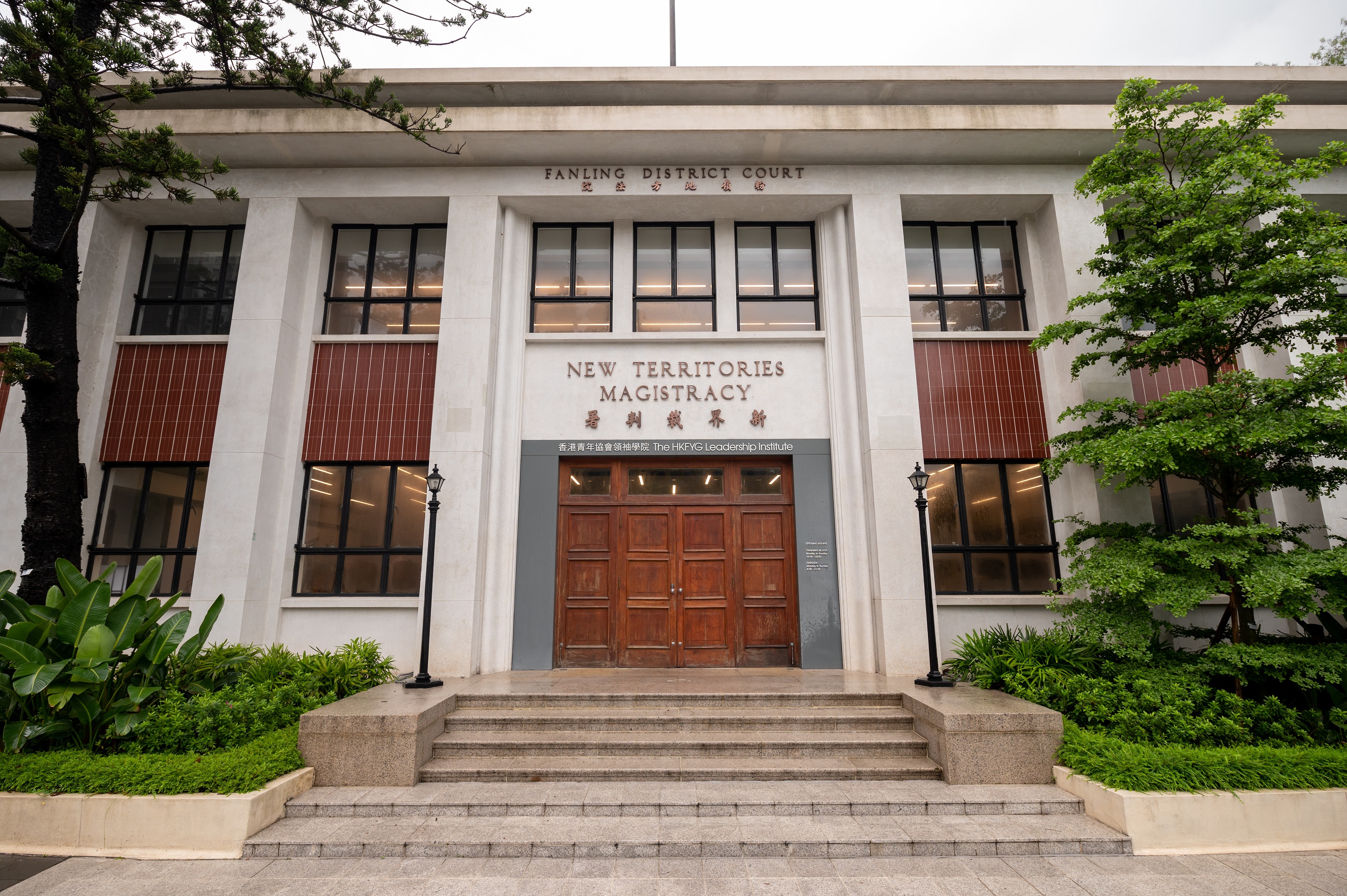
The Former Fanling Magistracy, built in 1960 and opened in 1961, was the first magistracy in the New Territories. To cope with the increasing demand for court services, additional structures were erected on the adjacent site in 1983 and around 1997 to provide two additional courtrooms, court support offices and an office for duty lawyers. The Magistracy ceased operation after the completion of the new Fanling Law Courts Building in 2002. Under “Revitalising Historic Buildings Through Partnership Scheme” of the Development Bureau, the restoration of the Magistracy was completed in 2018, and the building was revitalised into the first leadership institute in Hong Kong. Integrated with history and technology and featuring a new lodge, it becomes a centre for nurturing young leaders. The Former Court No. 2 inside the Institute has been used in courtroom scenes in many movies and dramas, including the movie “A Guilty Conscience” (2023).
Historic Building Information Explore The HKFYG Leadership Institute Video 1: 【My Blog】”When Heritage Meets Movie” - Encouraging Public to Visit Historic Buildings (Chinese only) Video 2: Public Lecture: “The Revitalisation of the Former Fanling Magistracy” (Chinese only)The Hong Kong Jockey Club University of Chicago Academic Complex |
The University of Chicago Francis and Rose Yuen Campus in Hong Kong (Victoria Road Detention Centre, Hong Kong)
The Hong Kong Jockey Club University of Chicago Academic Complex | The University of Chicago Francis and Rose Yuen Campus in Hong Kong is revitalised from part of the military relics of the Jubilee Battery and the Victoria Road Detention Centre, the latter of which was converted from the associated buildings of the Jubilee Battery. The Jubilee Battery, built in the 1930s, played an important role in Hong Kong’s western coastal defence during the Second World War. The Victoria Road Detention Centre was once used as a “safe house” for witness protection. The detention centre remained unoccupied from 1997 until it was revitalised in 2013 to become part of the university campus. The Centre was the filming location of the movie “2046” (2004).
Historic Building InformationThe Hong Kong Jockey Club University of Chicago Heritage Courtyard and Interpretation Centre Video: 【My Blog】”When Heritage Meets Movie”- Encouraging Public to Visit Historic Buildings (Chinese only)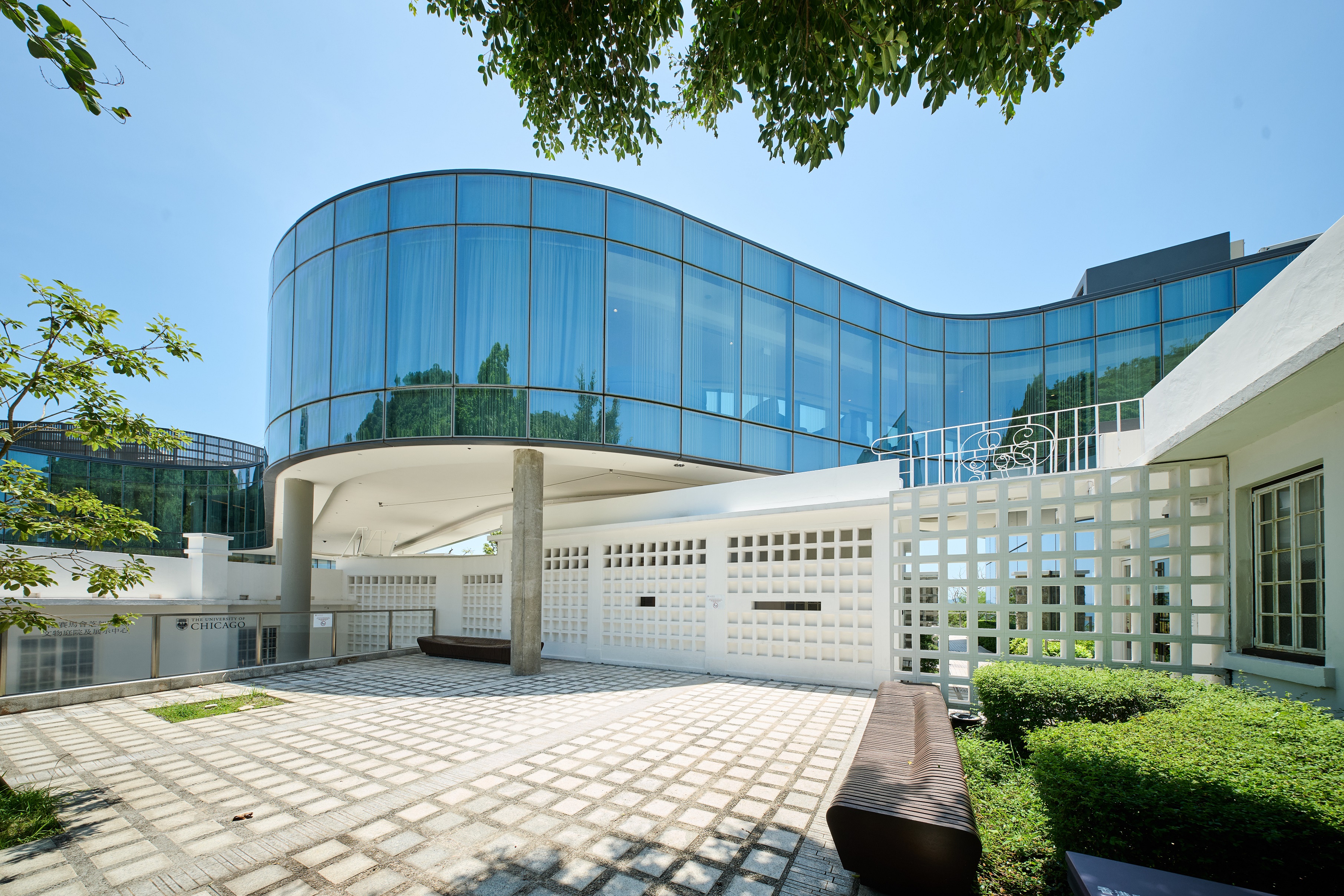
Tung Wah Coffin Home
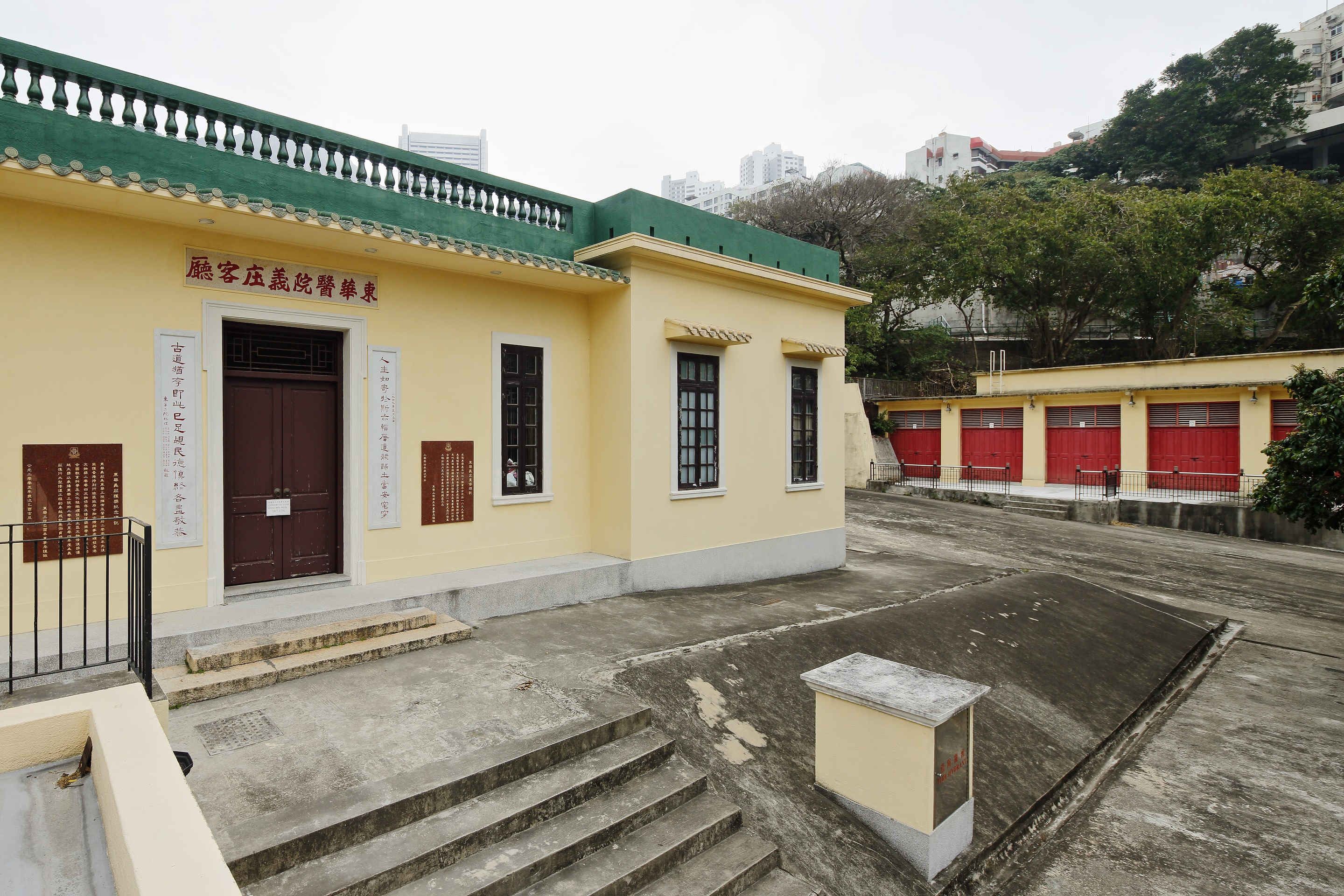
Tung Wah Coffin Home was established in 1899. Its predecessor, believed to be a coffin home near the slaughterhouse in Kennedy Town funded by the Man Mo Temple in Sheung Wan in 1875, was later handed over to Tung Wah Hospital for management. Due to insufficient capacity, the Government granted the existing site in Sandy Bay in 1899 for the rebuilding of the coffin home, which was named the “Tung Wah Coffin Home”. The Coffin Home provided temporary coffins and remains depository as well as repatriation services for Chinese who died in other places to return to their place of birth for burial in the early era, allowing it to become the hub of the global charity network in the last century. As the only coffin home of its type still in operation in Hong Kong, it also testifies to the evolving burial customs and practices of Chinese communities over the past hundred years. A large-scale restoration project was completed in Tung Wah Coffin Home in 2004 to restore the site to its original architectural style. The restoration project won an Award of Merit in the “2005 UNESCO Asia-Pacific Heritage Awards for Culture Heritage Conservation”. The movie “The Last Dance” (2024) was filmed in the Coffin Home.
Monument InformationTung Wah Coffin Home ArchivesUniversity Hall, The University of Hong Kong
The Exterior of University Hall, The University of Hong Kong
University Hall was built in the 1860s by Scottish businessman Douglas Lapraik as his headquarters and residence, and was thus named “Douglas Castle”. The building was sold to the Paris Foreign Missions Society (also known as French Society of Foreign Missions) in 1894. The Society undertook repairs, alterations and addition works to the building, with accommodation for the clergy, as well as a chapel, a crypt and a printing workshop added, and renamed it “Nazareth”. After the Second World War, the activities of the Society in the Far East diminished considerably and therefore gave up the Nazareth in 1953. At the time, The University of Hong Kong was looking for student accommodation facilities in Pok Fu Lam and took the opportunity to acquire this building in 1954, renaming it “University Hall” in 1956 and making it a hall of residence for male students. As a building with a rich history at The University of Hong Kong, University Hall has fostered unique university traditions. Numerous movies have been filmed at the building, including “Mack the Knife” (1995), “City of Glass” (1998) and “Integrity” (2019).
Monument Information“HKU Heritage Sights and Sites” Audio TourExplore University Hall, HKU Video: “History of University Hall, HKU” (Chinese only)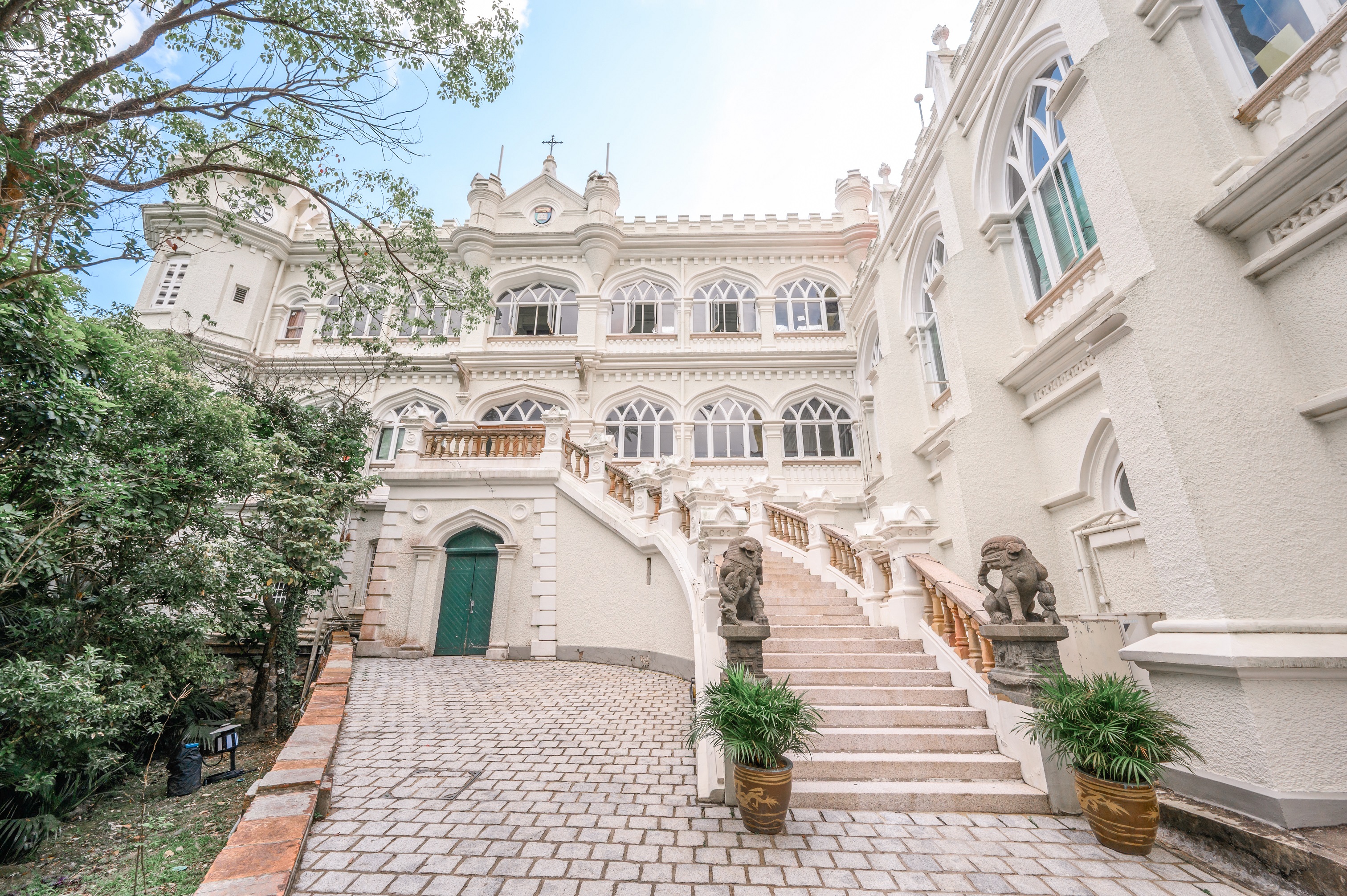
Western District Community Centre (Main Building of Old Tsan Yuk Maternity Hospital)
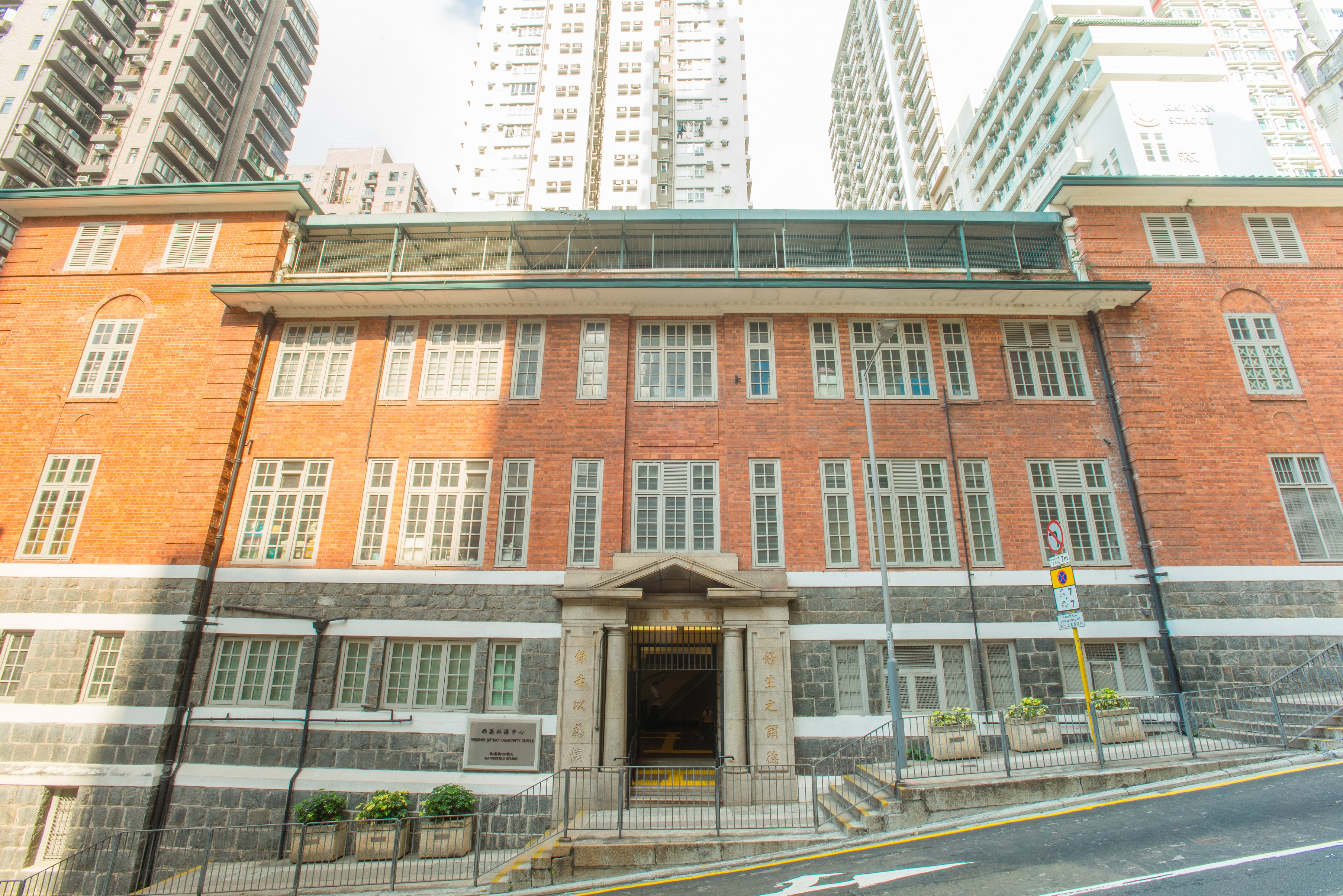
Western District Community Centre is accommodated at the premises of the Old Tsan Yuk Maternity Hospital on Western Street. The Hospital, opened in 1922, was the first maternity hospital established by the Chinese Public Dispensaries Committee in Hong Kong for Chinese women. The Hospital provided maternity services and also trained Chinese midwives, exemplifying a good model of co-operation between Chinese leaders and Western medical professionals in the early development and provision of maternal health services in Hong Kong. To cater for the rapidly increasing demand for maternity services in the post-war period, the Hospital relocated to new premises on Hospital Road in 1955. The former premises was converted into a community centre, named “Tsan Yuk Social Centre” in 1961, and renamed “Western District Community Centre” in 1973. It has been playing a significant role in public healthcare and community services in Hong Kong. The Centre was once a filming location.
Monument InformationPhotos of Main Building of Old Tsan Yuk Maternity HospitalAttraction HighlightsNote: Some of the photographs on this page are provided by the related site operators.